

The blue tinted glasses appeared the winter she turned yellow.
Not all at once. The yellowing happened slowly. Her skin first, then her eyes, a colour that didn’t belong to her. She could cover her skin with foundation, thicker layers as the weeks went on. Her eyes were different. The glasses were her idea. Dark blue, the kind that look more like a fashion choice than a cover. She wore them everywhere after that, indoors and out, winter and summer, her eyes hidden behind the tint.
That first winter, a drunk outside Chesterfield market had called her out for it. Sunglasses in December. He said it twice and laughed. My mum walked away without answering him. She told me about it that evening, and I couldn’t find the words either.
She had been going to London every three months since I was thirteen. The Royal Free, Hampstead. A bag packed by the front door, my dad driving her down. They’d stay with my brothers. I’d go to my godmother’s, or my cousin’s. She’d come back quieter, not better. The drugs they gave her were trying to manage what the other drugs had done. She’d been on the happy pills since before I was born. That’s what they called them. Happy pills. What they called her was depressed. What the pills had done was poison her. Slowly, by degrees, her liver working to clear something it couldn’t clear. By the time I was thirteen, it was a medical fact. By the blue glasses, it was everything else.
Those visits to London were the rhythm we had learned to live inside. Three months, three or four days at the Royal Free, back to Chesterfield, then three months again. They’d done it long enough that it felt like a system.
That last February, she went for tests as usual, and didn’t come back for two weeks. Pneumonia, caught in the hospital. When she did finally come home, she was smaller, frailer. We told her she just needed to get her strength back. We believed it when we said it, most of us.
My dad and my oldest brother had been taken aside at the Royal Free, and told the truth. Her liver was failing. It was just a matter of time. My dad couldn’t get his head around it, and so David volunteered to tell John and me.
He carried that. I never asked what it cost him. I know what the house felt like. It didn’t change. The same meals, the same care, the same talk of getting her strength back. We were all keeping to a version of events no one had agreed on.
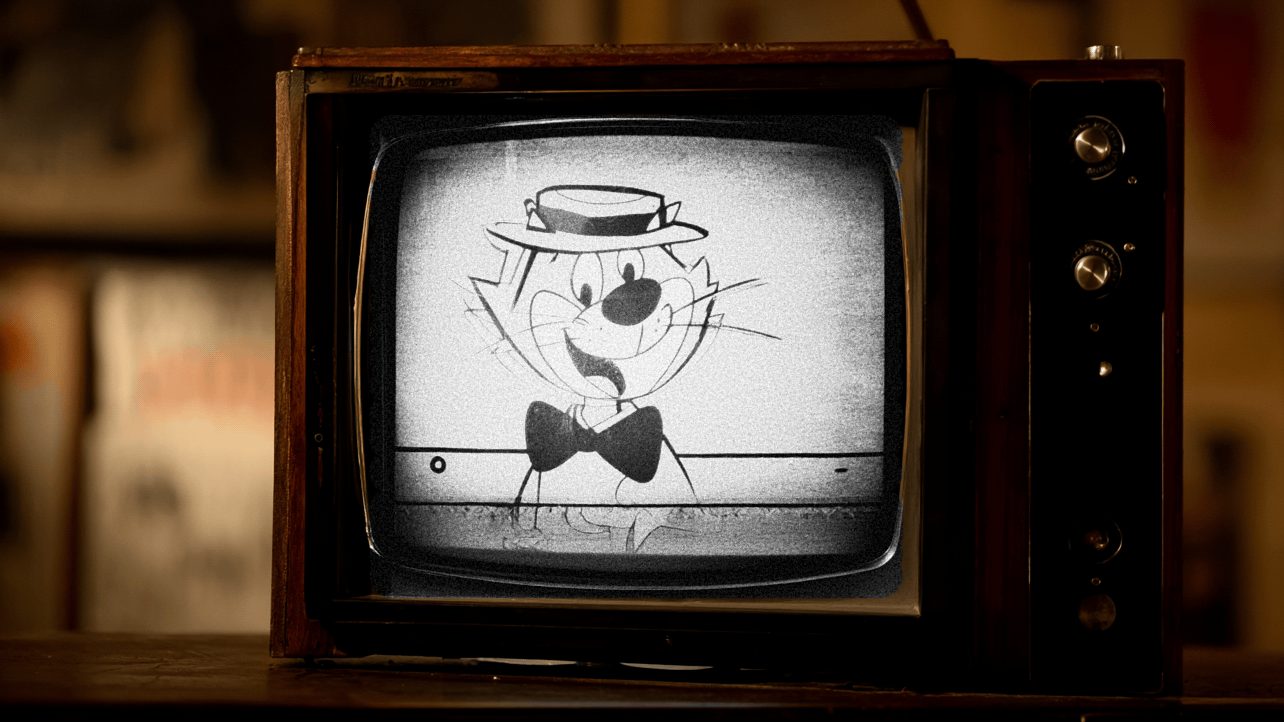
Mrs. Elvin had been part of the furniture of my childhood. Her husband was a retired miner, a quiet man who’d once worked with my dad, and they’d looked after me after school for years. I’d go to their house for that gap between primary school ending and my brother getting home from the grammar school. I’d sit in their front room with a biscuit and the television on low. I wasn’t allowed to watch any American cartoons, but Mr. Elvin had made an exception for Top Cat, because he really liked it. He’d died a couple of years earlier, and Mrs. Elvin still hadn’t found her footing again. My dad asked if she’d come and sit with my mum during the days, keep her company. She said yes.
She came for two or three weeks. They sat in the living room together. We’d moved a bed there, as the stairs were no longer possible. My dad went to work.
At the end of the third week, she took my dad aside in the hallway.
“Joyce isn’t getting better, is she.”
It wasn’t a question. My dad didn’t answer it like one. I don’t know exactly what he said. I know he didn’t say no. I know the silence was enough.
“I can’t come again,” she said. “I can’t watch another person die.”
She got her coat. She didn’t come back.
People stopped coming. Not all at once, and not with any announcement. They just stopped appearing at the door, stopped calling, and after a while stopped being mentioned. It was 1978. My mum didn’t have cancer, but she was dying, and the people around us had decided those were the same thing. They kept their distance the way you keep your distance from something you think might be contagious.
My mum didn’t understand it. She’d ask about people. Friends, neighbours, women she’d worked with. She’d wonder why they hadn’t been round. We told her they were busy, that they’d been meaning to call.
She wore the blue glasses and she wondered.
The last few weeks, I stopped going to school.
I told her what made sense for that morning, and she’d nod, and I’d make the tea, and we’d sit. Her mind was going by then. Not gone, but loose at the edges. She’d lose the thread of a sentence and pick up a different one. She’d ask me something she’d asked an hour before.
I answered everything as if it was the first time.
I don’t know if she knew. I don’t know if she was choosing the same silence we were all choosing, or if the weeks had taken too much, and she couldn’t hold the question anymore. We never said it. She never asked.
The room got quieter. The people who might have filled it had gone. We sat together, her and me and the television on low, and I told her whatever she needed to hear.
I don’t remember the last thing I said to her that was true.
oooh, that's so hard... on many levels. :(
This was so touching. “but loose at the edges” is just simply gorgeous