

Some things change while we’re away.
Not the kind that announce themselves, or ask to be understood.
Just the small corrections that leave everything looking as it did before—
except that it isn’t.
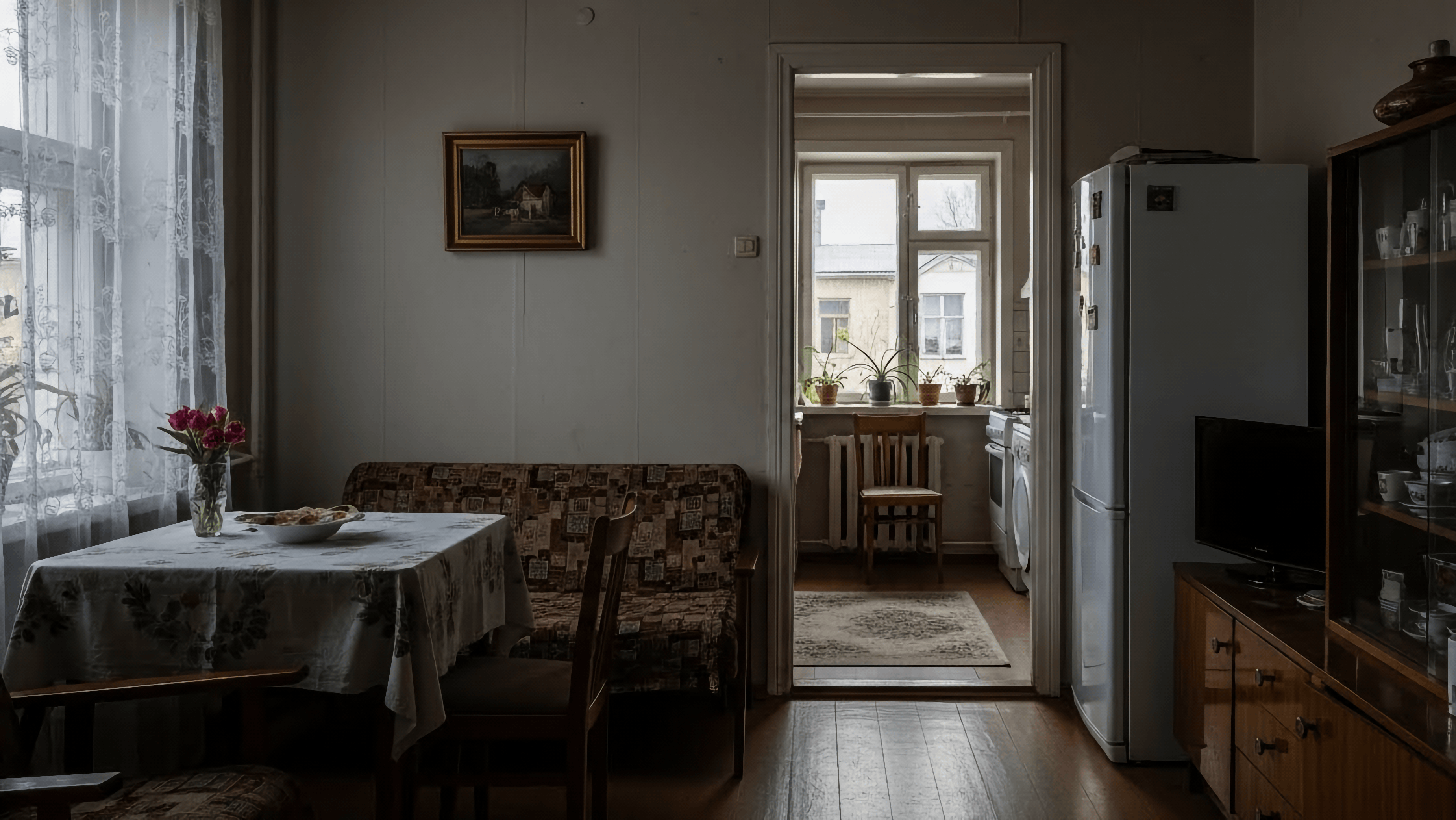
The Spare Key
She had been away for three days.
Nothing unusual—an overnight bag, a train ticket, the flat left as it always was.
When she returned, it was late afternoon, the building quiet in the way it gets when most people are still out.
She unlocked the door and stepped inside.
She noticed it before she took her coat off.
The light in the hallway was steadier. The switch moved without resistance. She stood there with her keys still in her hand, listening to the quiet that follows a door closing in a familiar place.
In the kitchen, the tap no longer dripped.
It had been dripping for months. Not enough to call a plumber, not enough to keep her awake. She had learned the rhythm of it: the pause, the single drop, the way it landed slightly off-centre in the sink. She had placed a cup there at first, then stopped bothering. It was the sort of problem that settles into the background and stays.
Now the sink was dry.
She ran the tap and watched the water come cleanly, then stop. She pressed the handle again, then let go.
She checked the cupboard beneath. The cleaning bottles were aligned as she had left them. No damp rings. No new cloths. The small wrench on the top shelf was still there, its edge faintly rusted.
She stood still long enough to feel foolish.
Her bag was where she had dropped it. She opened it, checked the inner pocket. Wallet. Bus Pass. The envelope with the appointment letter she had meant to post and forgotten.
She walked the length of the flat once, slowly. Nothing else announced itself. The place held her as it always did, with the mild indifference of something accustomed to her patterns.
At the door, she unlocked it and locked it again, listening. It sounded the same.
The spare key was not in the lockbox outside. It never was. She kept it inside, in the small tin she had once bought for biscuits. She took it down from the shelf and opened it.
The key lay where it always did, wrapped in folded paper. She unfolded it and held the key flat in her palm. It was warm from the room.
She sat at the table with the key in her hand.
For a moment, she considered how the repair might have happened. The thought did not settle. She turned the key once between her fingers, folded the paper again—slightly to one side—and placed it back in the tin.
She closed the lid and returned it to the shelf.
The next morning, she went out earlier than usual.
At the hardware shop, she chose a lock that matched the existing one as closely as possible. The man behind the counter offered advice she did not ask for. She nodded, paid, and carried the box home in a bag that cut into her hand.
She set the bag down inside the door. Then she picked it up again and carried it into the kitchen, placing it on the table before opening it.
The work took longer than she expected. The screws resisted. The door shifted, its weight pressing against her shoulder. She tightened everything carefully, tested it twice, then once more.
When she finished, she stood on the landing with the old lock in her hand. It looked unchanged, still capable. She placed it in the bin and closed the lid.
Back inside, she opened the tin again.
She tried the spare key once. It didn’t turn.
She held the new one up to the light, then wrapped it in the same paper, refolding it along the crease she had made. She placed it in the tin and closed the lid.
After a moment, she took the tin down again and set it on the counter. She slid it back a few inches, aligning it—then nudged it once more, not quite to the same place.
She locked the door from the inside, unlocked it, then locked it again. She returned the spare key to the tin.
The lid clicked shut.
She put the tin back on the shelf and stepped away.