

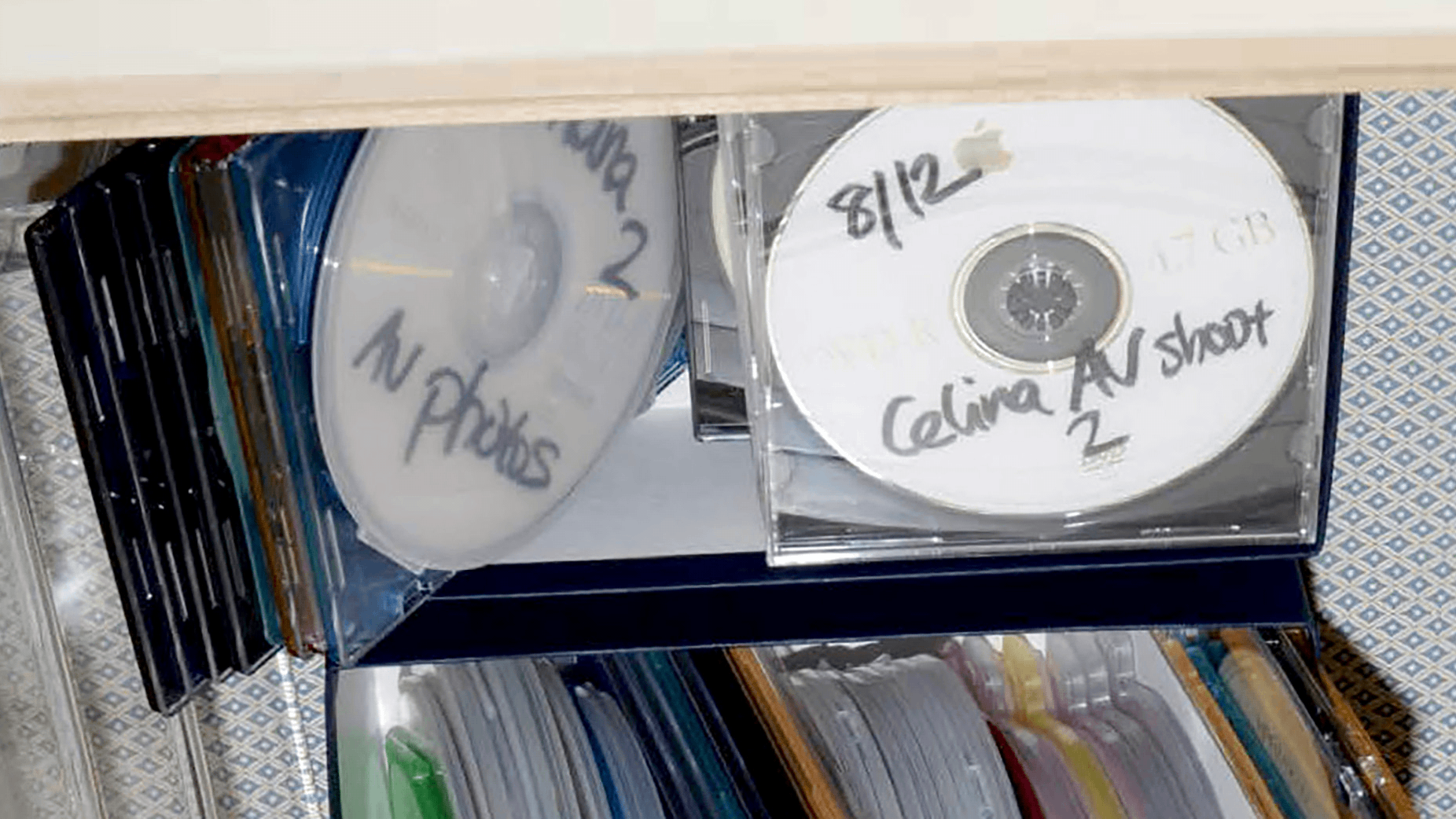
The FBI photographed the discs.
CD-ROMs, labeled, sitting in Jeffrey Epstein’s Manhattan apartment. July 2019. The FBI executed a search warrant, walked in, saw them, photographed them, and left. They said they’d come back with a more specific warrant.
They came back six days later. The discs were gone.
Federal agents found labeled recordings in the apartment of a man arrested for sex trafficking of minors — an apartment already known to contain hidden cameras — and they did not take them. They photographed their existence. They documented that they had seen them. And they walked out.
This is not incompetence. This is filing.
The Epstein operation — and it was an operation — ran on a mechanism so elegant it barely looked like coercion. A man in a robe across a desk. A massage table visible through a hallway. A young woman dressed like a therapist. And an invitation: *You want a massage?*
Most people would say yes. Not because they suspected anything, but because a billionaire was offering a kindness at the end of a meeting about charity, and saying yes felt like relationship-building. Normal. Human.
What waited in that room was cameras. Eventually audio. And a girl who turned out to be seventeen.
And then the call comes. Not a threat — a rescue. *I’ve got terrible news. She recorded something. She’s underage. But don’t worry. I can handle it.* The blackmailer becomes the savior. The trap becomes a debt. And the debt never comes due in a single demand. It comes due in a lifetime of small accommodations. A vote here. A meeting there. A topic you suddenly have no opinion on.
The money wasn’t his. Five hundred million dollars transferred from Les Wexner — Victoria’s Secret, major donor to the State of Israel — along with power of attorney. The wealth, the jet, the island, the access: none of it was earned. It was built. A real name attached to a manufactured life, designed to attract the kind of people who could be used.
In 2008, the US attorney for the Southern District of Florida offered a plea deal unprecedented in American legal history. Not immunity for named co-conspirators — that’s standard bargaining. Immunity for unnamed co-conspirators. An open-ended shield covering anyone and everyone the prosecution chose not to look at. Fifty people. Seventy-five. We don’t know. The names were never filled in because the blank was the point.
That prosecutor became the Secretary of Labor. When asked why he’d given such a deal, he said: *I was told he belonged to intelligence.*
And then he resigned.
In November 1991, Robert Maxwell — Ghislaine’s father — was buried in Israel on the Mount of Olives. The sitting prime minister attended. Every living former head of Mossad attended. The eulogies spoke of services to the state that the world would never know about. His daughter inherited his connections, his methods, and his network.
Three million documents released so far. Emails, photographs, video. Congress voted to release everything unredacted. Much of it remains redacted anyway. The justification offered is national security. The question nobody in government will answer plainly is: whose national security?
There is a pattern in how states manage what they know.
Johnson & Johnson told the FDA in the 1970s that their baby powder contained asbestos. The FDA began studying acceptable levels. They never considered zero. They studied for fifty-two years. They issued their ruling in late 2024.
The US military tested Agent Orange on forty lab mice before deploying it across Vietnam. Thirty-eight mice died within five days. The results were classified. For twenty-five years, the official position was that Agent Orange posed no health risk to humans. Veterans who knew otherwise were told they were wrong by the institutions that had poisoned them.
The pattern is not concealment followed by revelation. The pattern is: we see it, we document that we see it, and we file it where it cannot be found. The seeing is not the failure. The filing is the act.
The discs were labeled. The FBI photographed them. They left them on the shelf and came back six days later to an empty room.
What we know is that federal agents, standing in the apartment of a sex trafficker whose operation compromised senators, executives, scientists, and heads of state, looked at the evidence, noted its existence, and chose not to carry it out the door.
They filed it.
They didn’t take it.